Posts by Matt Hogle
Reading Aloud
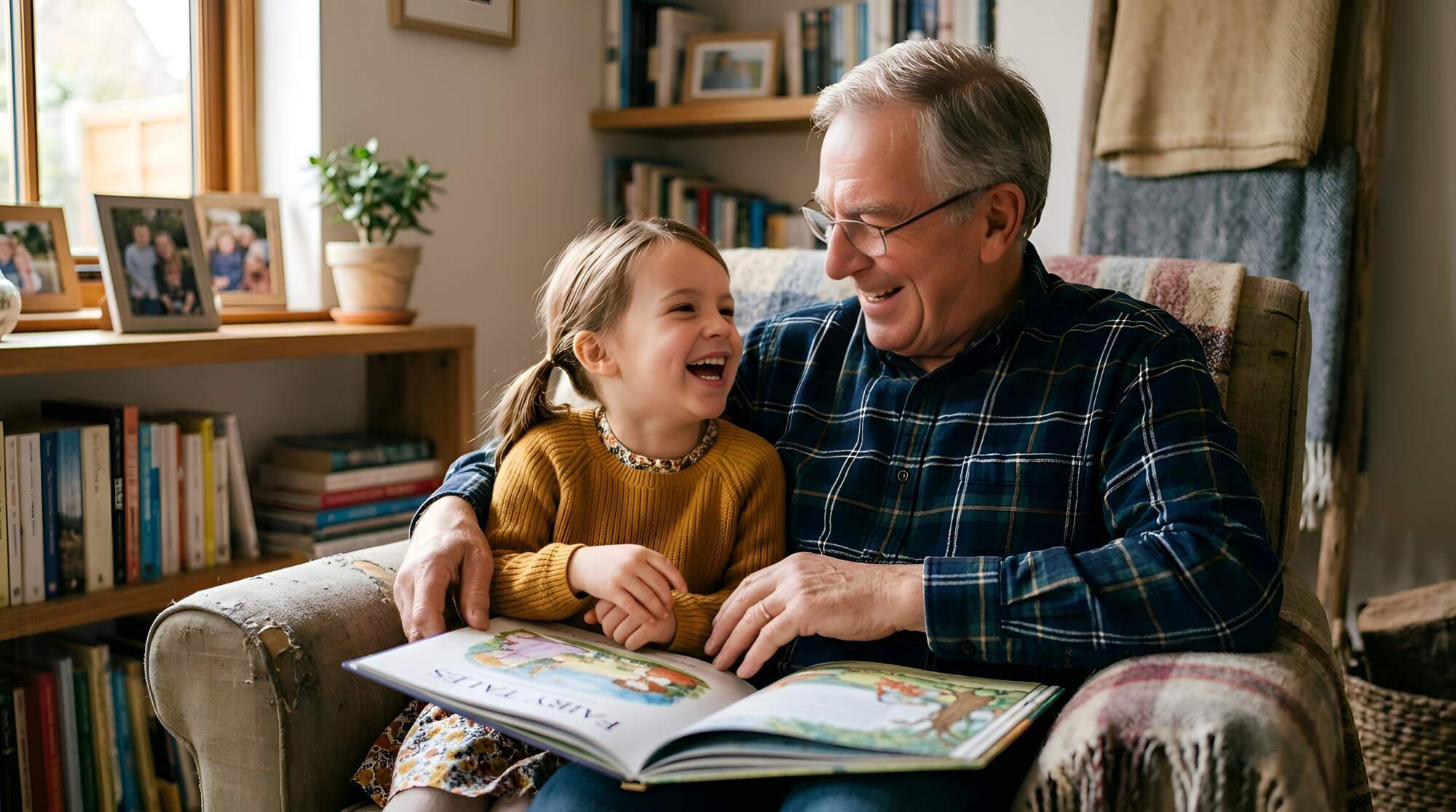
The Magic of Reading Together
Few moments rival the intimacy of reading aloud to a child—the comfort of a shared space, the rhythm of your voice bringing characters to life, and the unspoken bond that forms when imagination is kindled together. Large-print novels, especially those enriched with illustrations, transform this experience into something truly special. They offer more than just a story; they create a bridge between generations, where grandparents and parents can engage young readers with quality literature in a way that feels natural and engaging.
Illustrations Matter in Shared Reading
When you read aloud from an illustrated large-print book, you’re offering your young listener two complementary gifts: your voice and a visual anchor. Illustrations serve as windows into the story world, allowing children to see what you’re describing before their imagination fully forms the scene. A child following along in a Western adventure, for instance, can see the rugged landscape, the determined face of a ranger, or the spirited horse—these visual cues deepen comprehension and keep attention engaged, especially for younger readers still developing their focus skills.
The illustrations also give children a natural reason to stay close and lean in. Instead of sitting passively, they become active participants, pointing out details, asking questions about what they see, and making connections between the pictures and your narration. This interactive element transforms reading aloud from a one-way performance into a genuine conversation.
Large Print: Accessibility for Learning Eyes
Large-print text serves a purpose beyond comfort for aging eyes. For young readers just beginning to track words on a page, larger letters reduce strain and build confidence. When a child can see the text clearly while you read, they begin to recognize letter patterns, anticipate words, and gradually develop their own reading skills—all without the frustration that smaller print can create.
This accessibility means that a seven-year-old and a seventy-year-old can share the same book with genuine comfort. Grandparents don’t need reading glasses propped on their noses, and children don’t feel excluded because the print is too small to follow. Large-print novels level the playing field, making shared reading a pleasure for everyone at the table.
Western and Adventure Stories That Captivate Young Imaginations
There’s something timeless about adventure narratives—stories of courage, discovery, and triumph over challenge resonate with children’s natural sense of wonder. Western fiction, in particular, carries a special appeal: wide open spaces, resourceful characters, and tales of justice and perseverance. When these stories are presented in illustrated large-print format, they become immersive experiences.
A child listening to a story about a brave ranger navigating treacherous terrain or a group of adventurers facing wilderness challenges doesn’t just hear the words—they see the landscapes and feel the tension. These narratives encourage curiosity about character motivations, geography, and historical settings, naturally sparking conversations that extend well beyond the reading session itself.
Building Lasting Memories Through Shared Stories
Reading aloud creates moments that children remember for a lifetime. It’s not just about the plot; it’s about the warmth of being together, the sound of a loved one’s voice, and the magic of stepping into another world as a family unit. Illustrated large-print novels make these moments accessible and comfortable for readers of all ages and abilities.
Whether you’re a grandparent introducing a grandchild to wholesome adventure fiction or a parent seeking quality stories to share with your growing reader, large-print illustrated novels offer the perfect foundation. They honor both the tradition of read-aloud storytelling and the practical needs of modern families seeking meaningful time together.
Discover how our collection of illustrated large-print novels can enrich your family’s reading life. Contact us to learn more about titles perfect for reading aloud, or call (480) 545-7988 to speak with our team about finding the right story for your family.
Building a Wholesome Home Library

Why a Home Library Matters
A well-curated home library is more than a collection of books—it is an investment in your family’s intellectual and moral foundation. When you thoughtfully select stories that reflect your values and expand your readers’ horizons, you create a resource that serves multiple generations. Unlike digital content that vanishes with a subscription or a device, physical books remain as tangible reminders of what your family holds dear.
Parents and grandparents who build intentional home libraries become custodians of stories worth keeping. These collections say something about who you are and what you believe matters. They invite conversation, model the importance of reading, and offer refuge from the noise of contemporary life.
Starting with Foundation Titles
Begin by selecting Western and adventure novels that anchor your collection—works that have endured because they explore timeless themes: courage, integrity, perseverance, and the bonds between people. Titles like Warriors of the White Mountain and Texas Ranger exemplify this tradition. These narratives resonate across age groups because they depict protagonists facing genuine challenges and choosing character over convenience.
When selecting titles for shared family reading, consider whether a book invites discussion. Does it raise questions about right and wrong? Does it celebrate loyalty or resourcefulness? Does it transport readers to a world they wish to revisit? These qualities mark stories worth living with.
Choosing Large-Print Editions for Accessibility
A defining feature of a truly intergenerational library is accessibility. Large-print editions ensure that grandparents with vision concerns, parents returning to reading, and younger readers all experience the same story together without strain or frustration. This practical choice honors every member of your household and removes barriers to shared reading moments.
Large-print books also make illustrated editions more impactful. When combined with artwork, larger type transforms a story into a visual experience—one that appeals to reluctant readers and deepens engagement for everyone. The illustrations serve as a bridge between text and imagination, enriching the narrative without overshadowing it.
Balancing Adventure with Quieter Stories
A wholesome library needs variety. Pair sweeping Western adventures with gentler seasonal stories and tales of quiet resilience. A Christmas Prayer and The Gift offer reflective counterpoints to action-driven narratives. This rhythm—moving between excitement and contemplation—mirrors real life and keeps readers engaged across moods and seasons.
Consider your family’s own story when selecting titles. If your heritage includes ranching or frontier history, choose books that honor that legacy. If your children love animals and outdoor settings, seek adventure titles set in those worlds. Personal connection deepens both comprehension and retention.
Building for Longevity and Passing Forward
When you buy a book for your home library, think of it as a gift to your future self and your descendants. Hardcover and illustrated editions are more durable—they withstand multiple readings and decades of shelf life. They develop character: worn spines, penciled notes in margins, and bookplates that mark ownership become part of their story.
Leave space on your shelves. A living library grows. As your children mature, add titles that challenge them. As grandchildren arrive, introduce them to stories their parents loved. This generational conversation, conducted through books, teaches that some ideas and adventures are worth revisiting.
Making Curation Intentional
Building a wholesome home library is an act of cultural stewardship. You are saying: These stories matter. These values endure. This is what we choose to spend time with as a family. It requires thoughtfulness rather than impulse. Visit the Classy Reads contact page or call (480) 545-7988 if you’d like guidance on selecting titles suited to your family’s interests and reading levels.
Your home library will become a quiet monument to your family’s character—a place where adventure waits on every shelf and wisdom is always in reach.
Back-to-School Reading

Why Adventure Stories Matter Before the School Year Begins
As summer winds down and the new school year approaches, parents and teachers face a familiar challenge: helping children transition from lazy days to focused learning. One of the most effective tools at your disposal is also one of the most enjoyable—a good adventure story. Before the classroom bell rings, introducing young readers to compelling narratives builds reading stamina, strengthens focus, and reignites enthusiasm for learning that will carry them through the academic year.
Adventure and Western fiction offer something unique in this preparation. These genres demand active engagement from readers. A child following a ranger through challenging terrain or discovering hidden clues in an unfolding mystery is exercising attention, visualization, and critical thinking—skills that transfer directly to math lessons, history studies, and deeper comprehension work.
Building Reading Confidence and Stamina
Children who arrive at school already comfortable with sustained reading are at an advantage. Page-turning adventure narratives naturally extend reading sessions. A young reader who might otherwise tire after ten minutes becomes absorbed in a Western tale or survival story and suddenly reads for an hour without complaint.
Large-print editions deserve special mention here. For children with developing vision, visual fatigue, or reading difficulties, large-print adventure books remove a significant barrier. They make reading accessible and enjoyable rather than exhausting—a critical shift in mindset before the school year begins. A child who completes a large-print adventure story carries confidence and momentum into the classroom.
Imagination as a Foundation for Learning
Adventure stories are imagination workshops. When a young reader follows characters through unfamiliar landscapes or watches them problem-solve under pressure, that reader is practicing visualization, prediction, and creative thinking. These mental habits strengthen focus during lessons, encourage curiosity in discussions, and help children ask better questions across all subjects.
Western and outdoor adventure narratives are particularly rich in this regard. They present worlds with clear cause-and-effect, natural consequences, and tangible challenges—the kind of logical thinking that supports mathematics and science learning. A child who understands how a character navigates obstacles in a story is developing resilience and problem-solving mindsets for the classroom.
Selecting the Right Adventure for Your Young Reader
Not every adventure story works for every child. Consider both age and reading level when choosing back-to-school reads.
Early Elementary (Grades 1–2): Picture-rich stories with shorter chapters and strong visual support help emerging readers. Illustrated books with Western or exploration themes capture imagination while building word recognition.
Upper Elementary (Grades 3–5): Children at this level are ready for longer narratives with more complex plots. Adventure stories featuring young protagonists facing challenges—frontier tales, ranger adventures, or expeditions—resonate strongly. Large-print editions remain valuable for sustained focus and reducing eye strain during longer reading sessions.
Middle Grade (Grades 6–8): Older elementary and early middle-school readers thrive with adventure fiction that includes character development and moral complexity. Western narratives and wilderness survival stories offer both excitement and meaningful themes about courage, loyalty, and independence.
Making It a Family Ritual
The weeks before school are ideal for establishing reading as a shared family activity. Reading aloud together—a parent reading a Western adventure to a child, or older siblings reading to younger ones—builds connection while modeling fluent, expressive reading. These moments also allow you to discuss the story, ask questions, and deepen comprehension naturally.
This ritual doesn’t need to end when school begins. Continuing nightly read-alouds of adventure stories reinforces reading habits, maintains enthusiasm, and creates positive associations with books that last into adulthood.
Start the Year Strong
The most successful readers are those who discovered reading as a source of genuine pleasure and adventure. Before the new school year begins, give your young reader the gift of an adventure story that captures their imagination, challenges them gently, and makes them eager to turn the page. That enthusiasm—combined with improved focus and stamina—will serve them throughout the academic year and beyond.
If you’d like to speak with us about selecting the right books for your children, call (480) 545-7988 or visit our contact page.
Large Print for Young Readers

Why Large Print Matters for Developing Readers
Reading is one of life’s greatest gifts, but it can feel overwhelming for children struggling with small text. Large-print illustrated books offer a thoughtful solution that transforms the reading experience from frustrating to joyful. For young readers with vision challenges, learning disabilities, or simply those who benefit from accessibility features, larger typefaces aren’t a compromise—they’re an enhancement that opens doors to a lifetime of literacy and imagination.
When children can read comfortably without straining their eyes, they naturally read more, understand better, and develop the confidence that fuels lifelong learning. Large print removes a significant barrier, allowing focus to shift from decoding letters to enjoying the story itself.
Reducing Eye Strain and Building Stamina
Young readers are still developing visual processing skills. Small text forces the eyes to work harder, leading to fatigue that cuts reading sessions short. Large-print books allow children to sustain reading for longer periods without discomfort, gradually building reading stamina and endurance. This extended engagement is crucial during those formative literacy years when children are building fluency and foundational skills.
By eliminating eye strain, large-print illustrated books help children stay focused on comprehension rather than struggling with the mechanics of seeing the words. The result is deeper engagement with stories, better retention, and a more positive association with reading as an activity.
The Power of Illustration in Large-Print Books
Illustrated large-print books offer a unique advantage: visual storytelling working alongside text. For early readers, illustrations serve as scaffolding—they provide context clues, reinforce plot points, and spark curiosity about what happens next. A well-illustrated page invites children into the story world and makes the reading experience feel less like work and more like adventure.
The combination of accessible typography and engaging artwork creates a multisensory reading experience that appeals to different learning styles. Visual learners thrive when pictures support the narrative, while all readers benefit from the richness that illustration brings to character development and setting.
Confidence and Independence
One of the most overlooked benefits of large-print books is the confidence they build. When children can read independently without constant help from parents or teachers, they experience genuine accomplishment. This sense of agency is transformative—it shifts the child’s identity from “struggling reader” to “reader,” opening up self-directed learning and a newfound love of books.
Large print signals to children that their needs are valid and accommodated thoughtfully. Rather than feeling singled out by special materials, they experience reading designed with them in mind. This positive framing fosters resilience and shows young readers that accessibility is a strength, not a limitation.
Choosing Stories That Resonate
Large-print illustrated books work best when the stories themselves captivate young imaginations. Adventure tales, warm family narratives, and timeless stories with memorable characters keep children turning pages. When the story is compelling, children forget about the format and lose themselves in the narrative—exactly what reading should feel like.
Parents and educators selecting large-print books should prioritize engaging storylines and beautiful illustrations that reflect the child’s interests and reading level. The format is the vehicle; the story is the destination.
A Lasting Gift
Introducing large-print illustrated books early in a child’s reading journey establishes a pattern of joyful, accessible literacy. These books become treasured companions—sources of comfort, imagination, and growth. When children learn that reading is enjoyable and achievable, they carry that confidence forward throughout their education and into adulthood.
Large print isn’t a stepping stone to “regular” books; it’s a legitimate, valuable format that enriches the reading experience for all young readers who benefit from it. By choosing illustrated large-print stories, parents and caregivers affirm that every child deserves to read with ease, confidence, and joy.
Explore our collection of illustrated large-print books designed for young readers, and discover stories that will captivate growing imaginations. For guidance on selecting the right titles for your child, contact us or call (480) 545-7988.
The Art of the Visualized Novel
When Words and Images Dance Together
There is an ancient art to pairing image with text—one that predates the modern novel by centuries. Medieval manuscripts, Victorian serials, and classic children’s literature all understood a fundamental truth: the right illustration doesn’t interrupt a story; it deepens it. In large-print fiction, where accessibility meets literary substance, illustration becomes something more than decoration. It becomes a gateway to fuller engagement, a visual anchor that invites readers into the world on the page.
The Role of Illustration in Narrative Depth
A well-placed illustration serves as a quiet conversation between artist and reader. It illuminates atmosphere—the weathered face of a Western ranger, the texture of mountain terrain, the warmth of a family hearth—in ways that complement rather than replace the author’s prose. The reader’s imagination is never diminished; instead, it’s given a foothold, a visual reference point that makes subsequent descriptions more vivid and personal.
In illustrated large-print novels, this partnership is especially meaningful. Readers who may experience eye strain or visual fatigue benefit from strategic illustrations that break up text and provide visual rest. Yet the illustrations also serve a deeper purpose: they affirm that the story deserves artistic investment. They signal that this narrative—whether a Western adventure or a gentle family tale—is worthy of the full creative treatment.
Illustration as Character Gateway
Consider how a single portrait can transform a character from description into presence. When you see the determined eyes of a ranger or the kindness etched into a grandfather’s expression, that character becomes real in a different way. The illustration doesn’t tell you how to feel; it gives you visual information that your own imagination then elaborates upon. Readers of our illustrated titles frequently report that they felt closer to characters after seeing them rendered by a skilled artist.
This is particularly powerful in titles like ADVENTURES OF SMITTY GUMSHOE, where illustrations capture the spirit of adventure and detective work. The visual storytelling complements the narrative drive, making plot developments feel more immediate and emotionally resonant.
Illustration for the Gift-Giver
For those selecting books as gifts, illustrated large-print novels offer something special: they signal care and consideration. An illustrated book is a more substantial gift—it demonstrates that you’ve chosen something meant to be savored, not merely consumed. The visual beauty becomes part of the reading experience itself, a reminder that literature is not merely intellectual but sensory and emotional.
Whether gifting a seasonal title like CHRISTMAS STORIES or an adventure such as WARRIORS OF THE WHITE MOUNTAIN, illustrations elevate the presentation and deepen the recipient’s connection to the narrative.
The Future of Illustrated Fiction
In a world increasingly dominated by screens and visual content, some might assume that illustrated books are relics. The opposite is true. Readers are rediscovering the pleasure of thoughtfully paired image and text—the literary form that respects both word and picture as essential to the whole. Large-print illustrated novels meet this hunger by proving that accessibility and artistry are not trade-offs but complements.
Illustration in narrative fiction is not a step backward or a concession to declining attention spans. It is a literary art form—one that honors the reader’s time, invests in the story’s atmosphere, and acknowledges that some truths are better told in two languages at once. Whether you’re a visual learner seeking a richer entry into fiction or a gift-giver looking to give something beautiful and enduring, illustrated large-print novels offer a reading experience that engages both eye and heart.
Explore our collection of Illustrated Large Print Books to discover titles that prove storytelling is an art form best told in full.
Call (480) 545-7988 or visit our contact page.
Large Print Technology and Design
The Art and Science of Large Print Publishing
Large print books represent far more than simply enlarging text. They embody a thoughtful balance between accessibility and literary craftsmanship—a commitment to ensuring that readers of all ages and vision capabilities can experience beautifully told stories without compromise. At Classy Reads, we understand that legibility is not a limitation; it is an invitation to share great literature with readers who deserve nothing less than clarity and elegance on every page.
Understanding Large Print Standards
The publishing industry has established clear guidelines for large print books, with most editions featuring a minimum font size of 16 points—significantly larger than the standard 10 to 12 points found in conventional paperbacks. This increase in type size is the foundation of accessible reading, but it is only the beginning.
Equally important are leading (the space between lines) and generous margins. Extra line spacing reduces eye strain during extended reading sessions, while wider margins frame the text in a way that feels inviting rather than cramped. The paper itself matters too. Quality large print books are printed on smooth, non-gloss stock that minimizes glare and reflection—a detail that transforms the reading experience, especially for readers with light sensitivity or astigmatism.
Typography That Honors the Story
One common misconception is that large print books must sacrifice aesthetic refinement. The opposite is true. Selecting the right typeface—one that is both legible and graceful—is essential. Sans-serif fonts like Calibri or Gill Sans offer clarity without sacrificing character. When chosen with care, large type becomes part of the book's personality rather than a departure from it.
Classy Reads works with experienced designers who understand that every choice—from font selection to chapter headings to page breaks—contributes to the reader's journey. A well-designed large print book feels neither utilitarian nor makeshift. It feels considered and respectful of the reader's time.
Illustration and Visual Storytelling
Our illustrated large print books add another layer of richness to the reading experience. High-quality illustrations break up the text, provide visual rest for the eyes, and deepen emotional connection to the narrative. Whether a Western adventure or a heartwarming seasonal tale, thoughtfully placed artwork makes stories more engaging and memorable. The combination of generous typography and beautiful illustrations creates a book that readers actually look forward to opening.
Paper Quality and Production
Large print publishing demands attention to production details that readers may not consciously notice but absolutely feel. Acid-free paper ensures that books remain readable and beautiful for decades. Binding techniques that allow pages to lie flat make sustained reading more comfortable, especially for readers who may hold a book for long periods. The weight and texture of quality paper also contribute to the tactile pleasure of reading—a sensory experience that digital formats cannot replicate.
Preserving Access Without Sacrificing Art
At Classy Reads, we believe that accessibility and literary quality are not opposing forces. A reader with vision challenges deserves the same emotional resonance, narrative depth, and aesthetic pleasure as any other reader. Large print is not a reduction of literature; it is an expansion of who gets to experience it.
Our selection of wholesome Western and adventure novels, illustrated stories, and seasonal tales is carefully curated not just for content, but for how that content is presented. Every book is designed so that a reader can settle in, lose themselves in the story, and read for hours without discomfort or frustration.
The Future of Inclusive Publishing
As print publishing evolves, large print remains a testament to the enduring value of the physical book and the readers who treasure it. Modern technology allows us to maintain traditional storytelling while ensuring that no reader is left behind. Whether you are seeking a captivating adventure tale, a heartwarming family story, or beautifully illustrated fiction, large print books from Classy Reads offer the perfect blend of accessibility and artistry.
Explore our Illustrated Large Print Books and Novels sections to discover stories designed with you in mind. If you have questions about our publishing approach, we invite you to contact us or call (480) 545-7988.
How Large Print Books Bring Families Together
The Power of Shared Stories Across Ages
Reading has long been one of the most meaningful ways families connect. Whether gathered in a living room on a quiet afternoon or passed between generations as a cherished gift, books carry stories that transcend age and circumstance. Large print books, in particular, offer a unique opportunity to unite readers of different ages and abilities under the same narrative—creating moments of genuine connection and shared wonder that digital screens often cannot replicate.
For grandparents seeking to deepen bonds with grandchildren, and for adult children wanting to ensure their aging parents can enjoy reading without strain, large print editions remove barriers that might otherwise keep readers apart. A book enjoyed together becomes more than entertainment; it becomes a bridge across the natural distance that sometimes grows between generations.
Why Large Print Matters for Multigenerational Reading
Vision changes are a natural part of aging. Many readers who once devoured pages with ease find themselves squinting at standard print, growing fatigued, or abandoning books altogether. Large print solves this gently and with dignity. It allows grandparents, parents with vision needs, and younger readers with different learning preferences to sit together with the same book, turning pages at a shared pace and discussing the same scenes, characters, and turning points.
Illustrated large print books add another layer of multigenerational appeal. Beautiful artwork invites younger readers into the story while enriching the experience for adults. The visual element provides natural stopping points for conversation—a moment to admire an illustration, ask what happens next, or share a memory the image inspires. This is reading as a collaborative, intimate experience rather than a solitary one.
Choosing Stories That Speak to Everyone
Wholesome, traditional fiction—particularly Western and adventure narratives—has proven timeless appeal across age groups. A tale of a Texas ranger facing the frontier, or adventurers navigating Alaskan wilderness, carries the same thrill whether you are eight or eighty. These stories emphasize courage, integrity, and perseverance; values that resonate with grandparents while capturing the imagination of younger readers.
Holiday and seasonal stories hold special power for multigenerational reading. A Christmas tale read aloud by grandparents to grandchildren becomes a yearly ritual—something anticipated, remembered, and passed down. Seasonal books create natural gathering points throughout the year, turning reading into a family calendar and a source of continuity.
Building Your Collection Thoughtfully
Starting a multigenerational reading collection need not be overwhelming. Begin with titles that reflect your family's interests and values. If your family loves adventure and the outdoors, seek illustrated large print Westerns and frontier tales. If seasonal traditions matter deeply, invest in heartwarming Christmas stories and autumn-themed volumes.
Consider the physical qualities alongside content. Large print books that are beautifully bound and illustrated become objects to treasure, not merely commodities to consume. They sit on shelves as invitations to future reading sessions and signal to younger family members that reading is valued, that stories matter, and that time spent with books is time well spent.
Mix classic narratives with newer titles that speak to contemporary family dynamics while maintaining traditional storytelling values. The goal is variety within a consistent framework of wholesome, accessible stories—a collection that grows organically as your family's reading life develops.
Creating Reading Rituals
The most powerful gift a multigenerational collection offers is not the books themselves, but the rituals they enable. A designated reading hour on Sunday afternoons. A Christmas story that opens the holiday season every year. A Western adventure shared between a grandparent and grandchild, discussed over hot cocoa. These rituals build family identity and create memories that last far longer than the stories themselves.
Large print books make these rituals accessible to readers who might otherwise feel excluded. They ensure that vision challenges, aging eyes, or different reading abilities never become reasons to sit on the sidelines. Everyone reads the same words, follows the same plot, and participates in the same conversation.
Building a multigenerational reading collection is an act of intentionality—a statement that stories matter, that family time is sacred, and that literature should serve and include everyone. By choosing illustrated large print books rooted in wholesome, timeless narratives, you create not just a library, but a legacy of shared reading that strengthens bonds and passes values forward.
Ready to talk? Call (480) 545-7988 or visit our contact page.
A Christmas Prayer
Larry L. Maxwell (Editor)
F. Matt Hogle (Editor)
Frankie A. Maxwell (Illustrator)
This Holiday Season, please share with Your Family and Friends the Story of how a young boy and his dog show their Faith and Love of Christmas and the Christmas Spirit in Blessing their friend.
A Christmas Prayer is an all-original rhyming Tale brought to life with Full Color Hand Illustrations. This Faith promoting story teaches Love and Compassion.
Children and Adults from 1 to 101 will enjoy this Great Christmas Story.
Merry Christmas!
The Spirit of Giving
The Gift
The Gift
The Gift tells of how a young boy named Lujon and his best friend Shannon learn that Prayer, and Giving are the most important ways to Heal and that Christmas Time is the Best Time, and a Season of Love and Giving.